Introduction
Archive for the ‘Architecture’ Category
30 Sep
Blackwattle Bay Renewal Precinct (Sydney) Submission (Part 1 of 2)
Posted by rayr65 in Architecture, Dr Ray Rauscher, Growth Centre Planning and finance, Inner city of Sydney, Uncategorized. Leave a comment
13 Oct
Impressions Collection
Posted by Habitat Association in Architecture, David Holland, Dr Ray Rauscher, Inner city of Sydney, Post Modern Buildings. Leave a comment
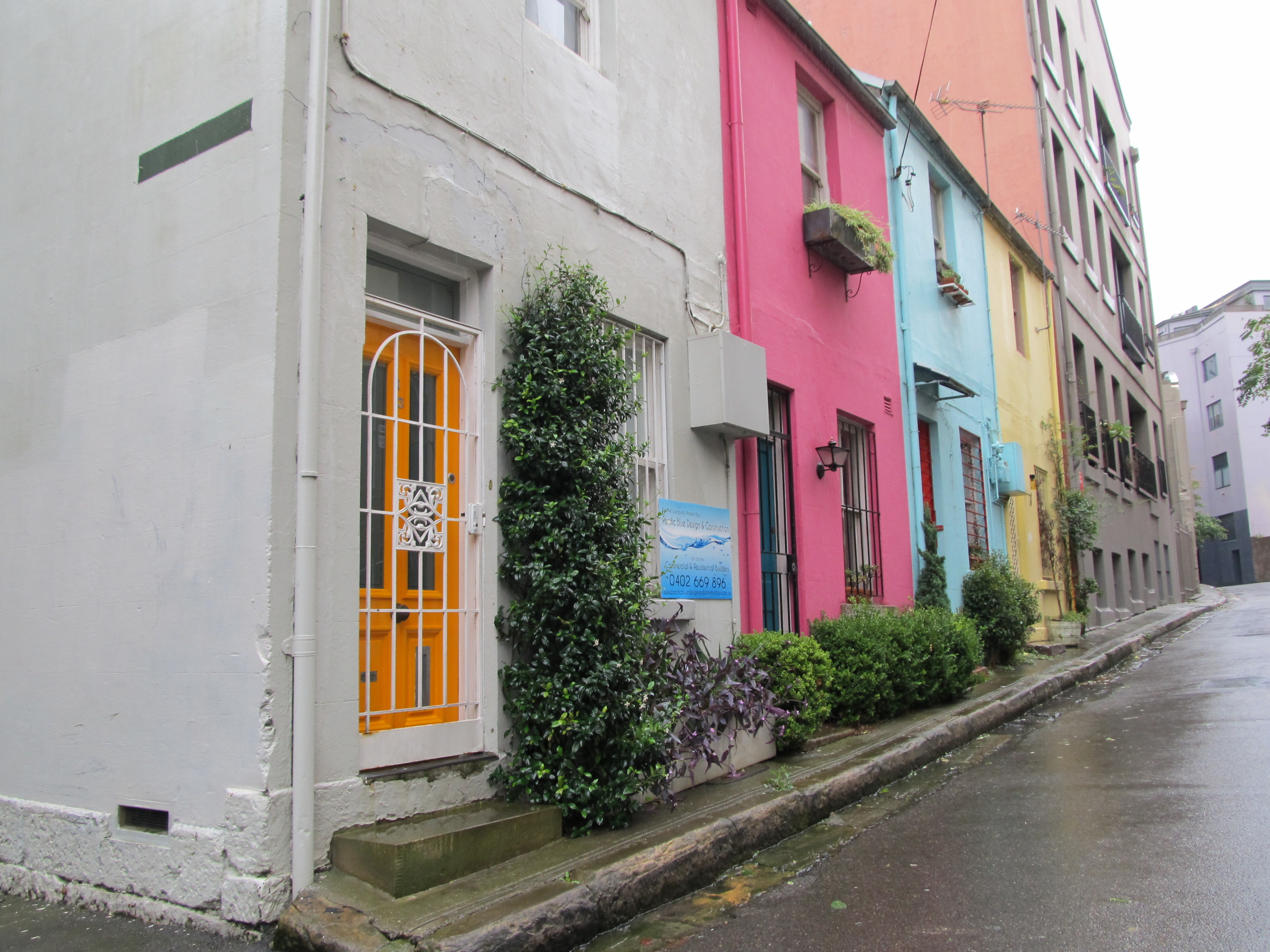
On an excursion to Roselle in the early spring, one could not have experienced such a bright and crisp day. In this impressions collection, Dr. Ray has found many examples of early 20th century urban living in the inner Sydney suburbs.
These vistas have created a picturesque environment in the 21st century through mature trees and bushes presenting a fairyland, giving a bright yet soft impression of the Sydney suburbs.
Related articles
- Suburbs of Sydney (lauramartinblog.wordpress.com)
- Inspiration (lauramartinblog.wordpress.com)
3 Jun
Visions of Inner Sydney New Series
Posted by Habitat Association in Architecture, Dr Ray Rauscher, Inner city of Sydney, Post Modern Buildings. Tagged: architecture, Greater Sydney, Habitat Association, New South Wales, Ray Rauscher, Sydney. 3 comments
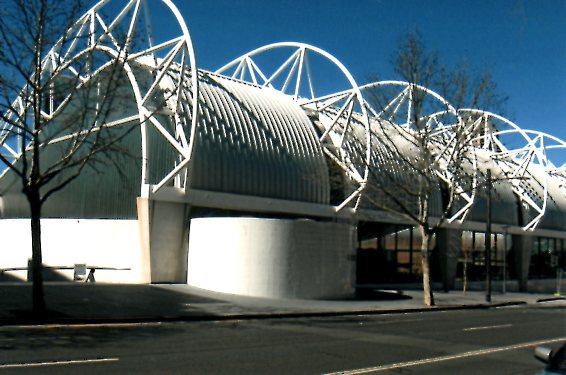
The Habitat Association is able to announce a knew series from the Visions of Inner Sydney‘s Blog Site.
This is called the Weekly Dozen.
The Weekly Dozen is a grouping of 12 photos to be presented on the Visions of Sydney Habitat Association’s project site each week.
This is the first week of this new series called “Buildings and Spaces”.
Also last week Visions of Sydney had a new pilot of this series called Autumn in Inner Sydney.
Both these new series can be found on Visions of Inner Sydney.
Link to site: Buildings and Spaces
Related articles
- Photo series on inner-Sydney social housing precincts (lostateminor.com)
- Autumn in Inner Sydney (visionsinnersydney.wordpress.com)
- The Habitat Association announcing a new project to the world. Visions of Inner Sydney. (habitatassociation.com.au)
- Introduction to Visions of Inner Sydney by Dr Ray Rauscher (visionsinnersydney.wordpress.com)
- Sydney Opera House – Masterpiece of Human Creative Genius (scskillman.com)
24 Mar
The Habitat Association announcing a new project to the world. Visions of Inner Sydney.
Posted by Habitat Association in Architecture, Inner city of Sydney, Places, Post Modern Buildings, Social impacts on population growth. Tagged: architecture, Australia, Inner city, New South Wales, Ray Rauscher, Sydney. 6 comments
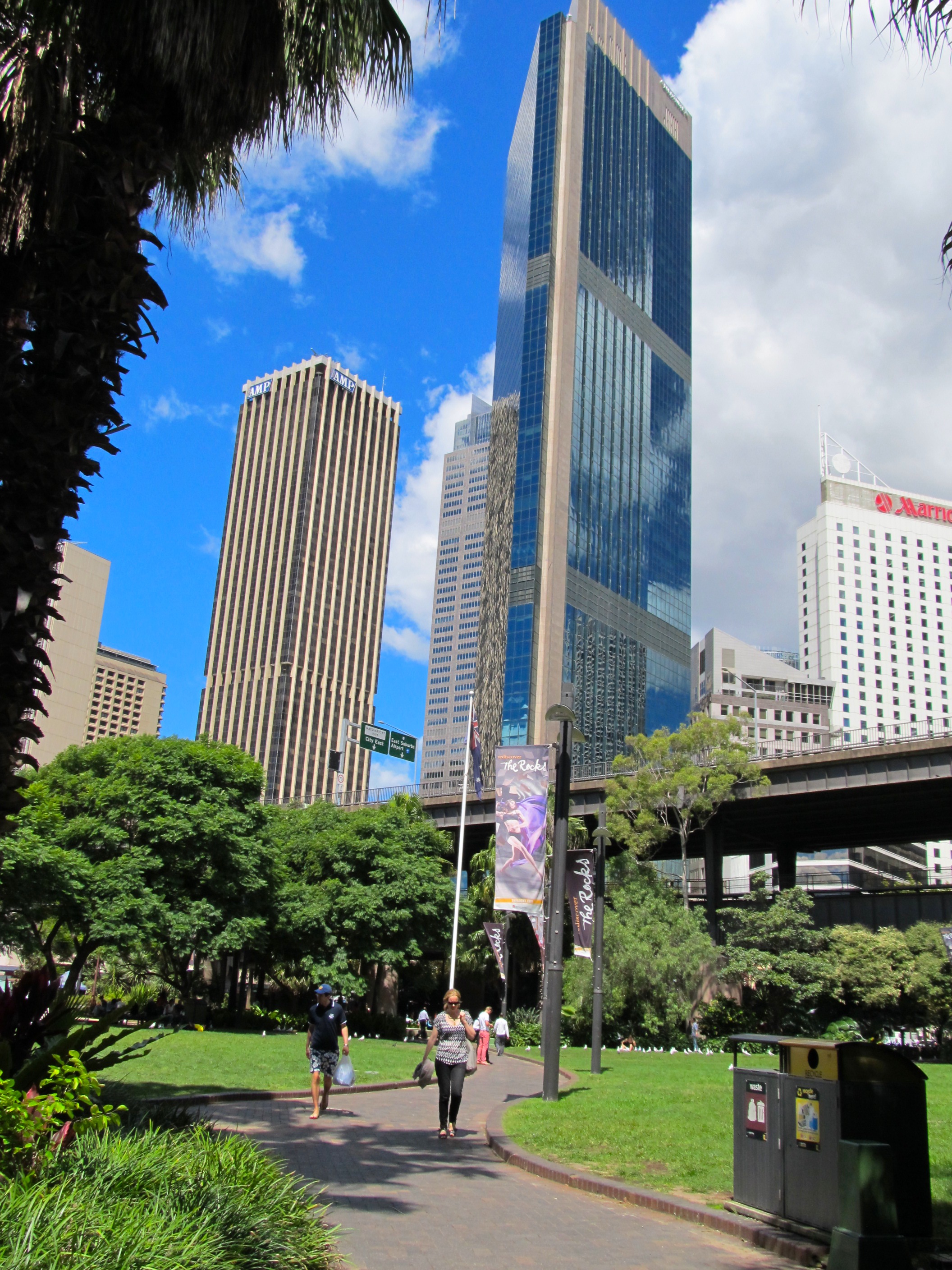
This project has been in the background for many years. It is a collection of photographs of the inner suburbs of Sydney.
Dr. Ray Rauscher has been conducting this study one day a week over many years. While research is still being done, and the full understanding of what is actually happening in a social and aesthetic sense in the inner city is not apparent through the photographic study, some trends are starting to be seen.
The study at present is in a stage of categorising and familiarisation of similar aspects of the changes and adaptations of this urban environment in the single largest and oldest city in Australia.
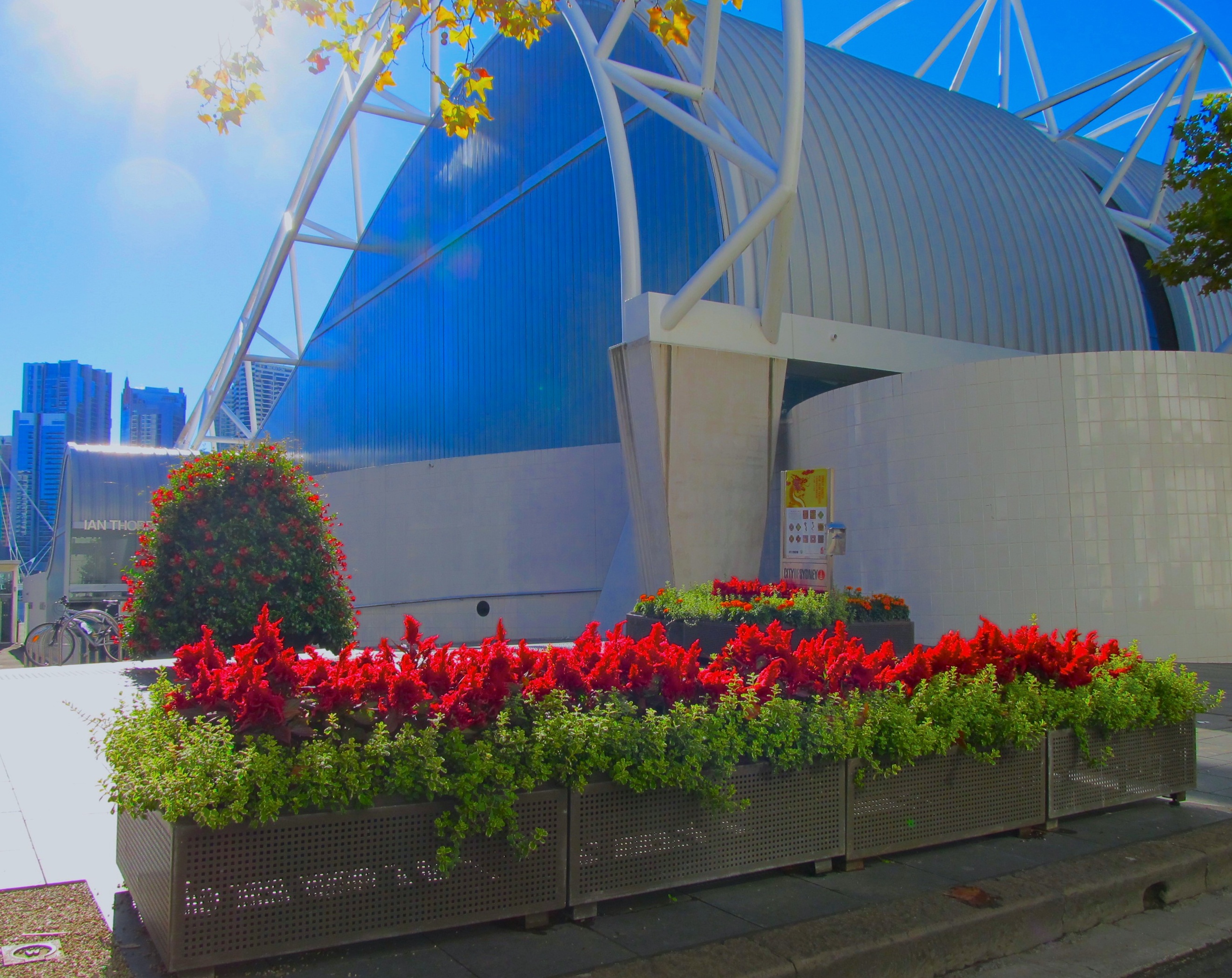
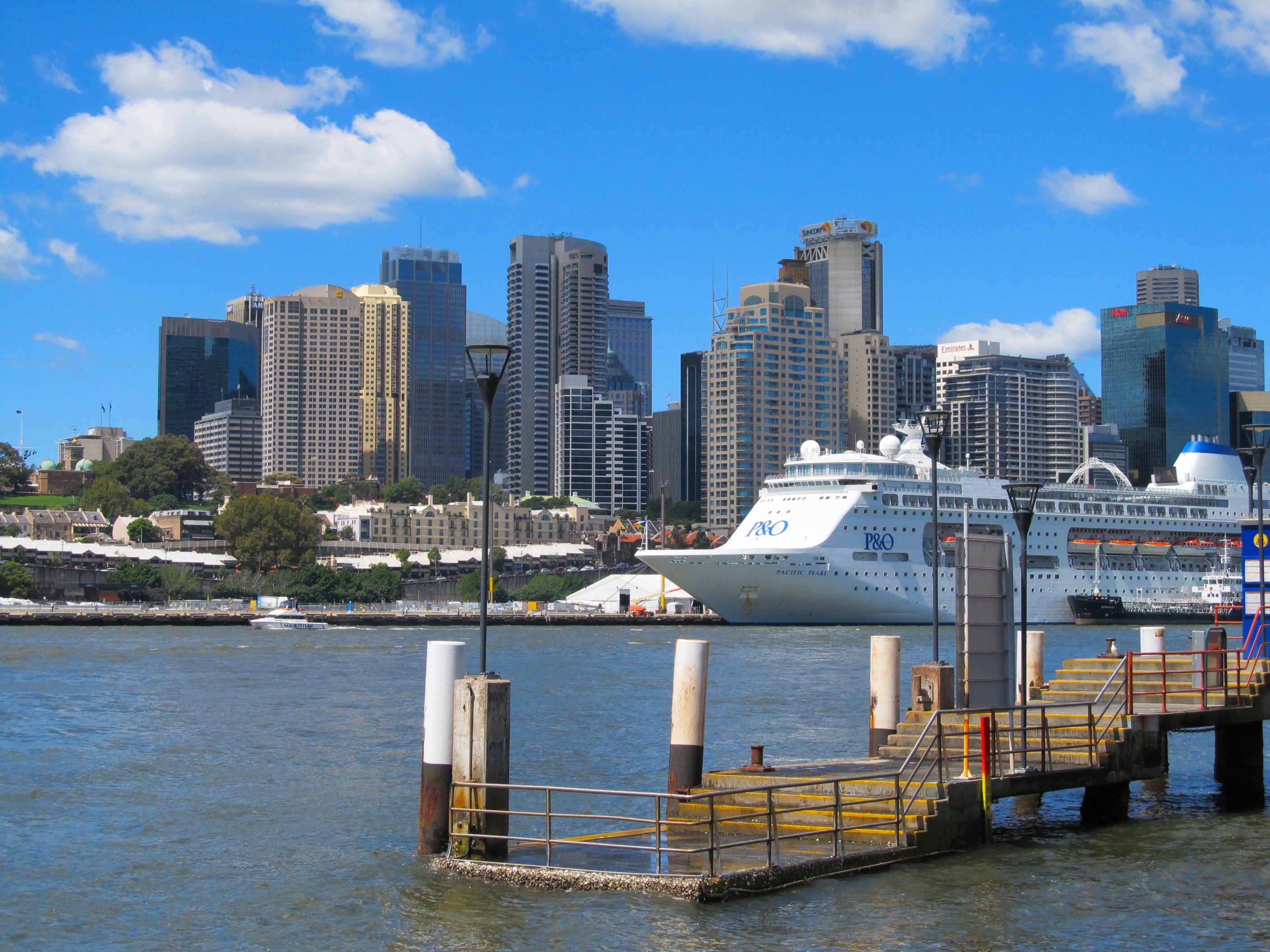
Below is a taste of the kind of photograph that is part of the study material.
Now go to the Habitat Association for Arts and Environment dedicated site for the project of “Visions of Inner Sydney”
Related articles
- Introduction to Visions of Inner Sydney by Dr Ray Rauscher (visionsinnersydney.wordpress.com)
- Introducing Margret Ellem fine artist (habitatcentreforarts.wordpress.com)
- New photography from Sydney-based Jacob Ring (lostateminor.com)
11 Feb
A Paper to identify the nexus between Wyong Shire’s Township master Plans, the Wyong Township’s Transport Precinct and the NSW Road and Maritime Services Proposal
Posted by Habitat Association in Affordable Housing, Architecture, Public Transport, Rail and Bus Interchanges, Regional Planning, Social impacts on population growth. Tagged: CEN, Central Coast, commercial precinct, Pacific Highway, Public transport, RMS, Wyong, wyong council, Wyong River, Wyong Shire. 2 comments
Planning Public Transport Structures & Wyong Town Centre
The drive to put a four lane highway through the township
By David Holland, B.A.S. Env. Plan. Grad. Dip. Env. Mgmt.
Introduction
Over the last few years the Road Traffic Authority has been updating the Pacific Highway on the Central Coast. It has been prioritising the work by widening the most needed sections first. In the last 2 years the road between Wyong Road and the Wyong river has been completed to the 4 lane standard. This has improved traffic flow from the Tuggerah Business and commercial precinct. With this stretch of road the RTA has incorporated a secragated bike track as well as bus priority lanes. This section of road has been well thought out and is a quality segment of road.
The next stage is the crossing of Wyong River and pushing a renewed road through the township of Wyong.
Background
Over the last three years the NSW Roads and Maritime Services (RMS) has engaged in several community consultation campaigns. The first was directed to residence in the locality, explaining some of the alternative proposals put up by the RMS, none of which fully addressed the concerns presented in the submission to the RMS.
Various groups and individuals have contributed to the number of options that could be made to enable the Pacific Highway traffic to flow through the Township.
Some include the diversion of the traffic to a new ramp to the freeway. The RMS suggested that this would skew traffic flows towards minor streets in the western parts of the town causing traffic problems in these areas.
The Baker Street Master Plan
This is a Wyong Council master plan which is located immediately to the east of the railway station. It will allow multi-storey development in both commercial and residential forms. It is a pivotal plan for any realistic development for the township.
The River foreshore Master Plan
The river foresaw master plan is located on the Wyong river to the south-east of the Transport Precinct. Although some re-design may need to be incorporated into the plan due to new considerations of sea level rise introduced in 2010, this is potentially a necessary expansion for the town. It will provide the potential for additional residential developments.
Both master plans will add to the attractiveness of the township as a residential location and provide the much-needed consolidation to development around the township to ensure the viability of both the shopping opportunities within the town and the transport precinct.
The Town Plan (DCP 7)
The existing town has a heritage constraint on development, but will be able to be redeveloped over time under the Development Control Plan (DCP) 7 for the Shire. In addition adjacent and within the confines of DCP 7 a cultural Master Plan was released in 2011. This will be developed to further enhance the township experience.
The Transport Precinct
The current transport precinct consists of the railway station, bus interchange, a commuter car park and a taxi rank. In close proximity to the interchange are several small take away and coffee shops. Although the precinct works well a number of issues are evident concerning it.
1. Security and the misbehaviour of public transport users
2. Many people use the interchange to transfer to other designations and spend little time in the town.
3. As the station is the most northerly permanently attended station by railway staff on the Central Coast and has good ticketing facilities and good car parking facilities, many commuters prefer to drive to this station in preference to other stations closer to their place of residence. In addition, although the bus services are improving, many commuters find the private car more convenient and faster to get to the train at this station.
The Future role for the historic town
When problems with the fragmentation of the town by the proposed roadway are overcome and suitable inducements are created for developers to develop the master plans to the east of the town, the town will hold a good future as a business centre for the region. This business sector would then be supported by a commercial retail, and service sector within the town. With the appropriate transport precinct at the heart of the town, it will emerge that most of the movement around the small town will be as a pedestrian.
To read the recommendations put forward by the Wyong Planning Committee of the CEN, after considerable consultation with a range of local organisations including Wyong Shire Council click on the link.
Submission to the RMS on the proposal to put a four lane highway through the township
Related articles
- Wyong Transport Precinct, a proposal for Renewal (habitattownplanningforum.wordpress.com)
- Submission on the draft Central Coast Transport Strategy 2006 – 31 (habitattownplanningforum.wordpress.com)
- Submission for the North Wyong Structure Plan NSW Australia (habitattownplanningforum.wordpress.com)
- Central Coast – NSW – a Regional Growth Area (habitattownplanningforum.wordpress.com)
11 Jul
Introduction to Brooklyn’s Bushwick Story
Posted by Habitat Association in Academy of Urban Planning NYC, Affordable Housing, Architecture, Arts, Brooklyn Community Based Plans, Bushwick, Bushwick High School, Bushwick Renewal, Coney Island Development Plans, Downtown Brooklyn, Long Island, New Town Centres, Places, Population growth and planning for Tertiary Education Institutions, Post Modern Buildings, Regional Planning, Social impacts on population growth, South Wiliamsburg, West Bushwick Historical Buildings. Tagged: Academy of Urban Planning, Brooklyn, Brooklyn Community, Bushwick Brooklyn, Bushwick Renewal, Coney Island, Long Island, New York, New York City, Planning Education Institutions, South Wiliamsburg, United States. Leave a comment
As a founding member of the Habitat Association, Dr. Ray Rauscher, with the assistance of several colleagues from the Class of
1961 Bushwick Highschool, Brooklyn, NYC, USA, put together the story of change in this neighbourhood of Brooklyn. The group is called Bushwick
Reflections and would love to hear your comments on their story, to Ray Rauscher, ray.r@idl.net.au
Review
The background to Bushwick and Brooklyn and their histories is outlined in
Chapter 1. The Bushwick Reflections group collected their stories and
others of life in Bushwick in the 1940s-1960s as outlined in Chapter 2.
The Bushwick HS of past and the Academy of Urban Planning (New Century
School Bushwick) of today is examined in Chapter 3. The chapter outlines
the education system at Bushwick highschool in 1961. It looks at:
approaches to teaching; student activities; and school teaching staff and
counsellors. The chapter then looks at an education initiative that was
taken in 2003, through the assistance of Bill Gates Foundation and the
establishment of the New Century Schools. This program was aimed
essentially at places such as Bushwick HS (within a low socio-economic
area) where there were problems achieving an acceptable educational level.
Bushwick HS became three schools in one building, being: Academy of Urban Planning; School of Social Justice; and, School of the Environmental
Leadership (initially there was a harbour school, which later required a
location closer to water).
Bushwick of 1970s-2007 is reviewed in Chapter 4. This period includes the
demise of Bushwick that culminated in the catastrophic Bushwick fires and
looting in the NYC blackout of 1977. In this incident 20% of all Bushwick
housing was lost and 1/3 of the businesses closed. The recovery of
Bushwick in the 1980s, 90s and early 2000s is summarised. The 197a program (community planning system) under NYC administration was introduced to assist the revitalisation of areas such as Bushwick and surrounding Northeast Brooklyn. This planning system and how it was implemented in different ways within the three areas of Northeast Brooklyn is examined.
Bushwick and Brooklyn in moving to sustainable communities by 2008 is
summarised in Chapter 5. The chapter starts by comparing the 1880s roots
of universal thinking with nature as central to life. The current green
urban movement is examined as it relates to Bushwick and NYC. This
movement would likely have a flow on effect on Bushwick, given land
investments and housing would increase across the city. The shock of the
world economic crisis in 2008/09 slowed Bushwick’s revival. On recovery,
however, Bushwick is poised to stride forward adapting to green
innovation. The chapter examines ecologically sustainable development
(ESD) principles and the movement of Bushwick, Brooklyn and NYC towards
sustainable communities. Finally, the chapter looks at ways Bushwick can
adapt to becoming a sustainable community.
Bushwick Reflections group hope to have some of this material available on this site soon.
Dr. Ray Rauscher is an advocate for sustainable communities, community planning and ecologically sustainable development.
Please express your interest in finding out more about the above material gathered over several years by Dr. Ray Rauscher and his colleagues through the comments section of this blog.
Related articles
- Rahul’s Mix in BushwickHouse Call (apartmenttherapy.com)
- Pigeon Keepers of Bushwick (flickr.net)
- MTA to Blog the L Train (nyconvergence.com)